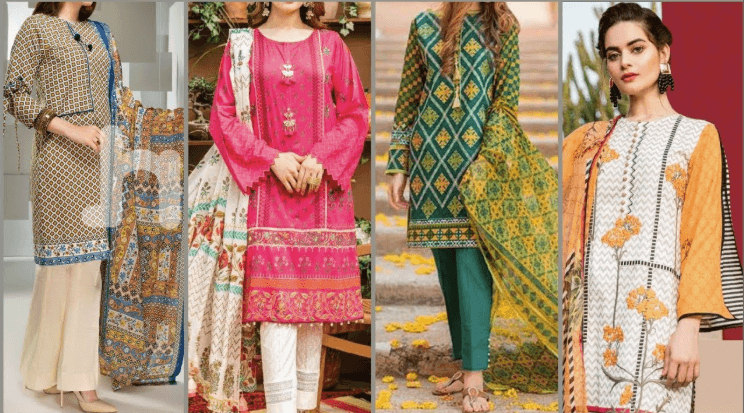
Eastern wear has always been a beautiful reflection of culture, tradition, and evolving style. From intricately embroidered ensembles to minimalist everyday outfits, it offers something for every mood and moment. Whether you’re dressing up for a wedding, heading to a festive gathering, or simply embracing everyday elegance, Eastern fashion continues to redefine grace with a modern twist.
Let’s explore how elegant Eastern wear fits seamlessly into every occasion while staying stylish, comfortable, and culturally rooted.
The Timeless Charm of Eastern Fashion
Eastern wear stands out because it blends heritage with innovation. Traditional silhouettes like shalwar kameez, lehengas, and sarees have been reimagined over time with modern cuts, fabrics, and detailing.
What makes it timeless?
- Rich fabrics like silk, chiffon, lawn, and organza
- Intricate embellishments such as zari, gota, and embroidery
- Versatile designs suitable for both formal and casual settings
Unlike fast fashion trends that fade quickly, Eastern wear evolves while preserving its essence. This balance makes it a wardrobe staple for women of all ages.
Everyday Elegance: Casual and Semi-Formal Wear
Not every day calls for heavy embroidery or bold colors. Casual Eastern wear focuses on comfort while maintaining a polished look.
For daily wear, women often prefer:
- Light lawn or cotton suits
- Subtle prints and pastel tones
- Minimal embroidery for a clean finish
Semi-formal outfits, on the other hand, offer a step up. Think of soft chiffon dupattas paired with slightly embellished kurtas—perfect for small gatherings, dinners, or office wear.
The beauty of these outfits lies in their effortless sophistication. You don’t have to overdo anything to look put together.
Festive Wear: Where Tradition Meets Glamour
Festivals are the perfect time to embrace the richness of Eastern fashion. This is where colors become bolder, fabrics more luxurious, and designs more detailed.
Popular festive choices include:
- Anarkali dresses with intricate embroidery
- Sharara and gharara sets with statement dupattas
- Long frocks with traditional motifs
In the middle of these festive selections, collections like the Maria B Eid Collection 2026 showcase how designers are blending contemporary trends with cultural heritage. Such collections often highlight fine craftsmanship, vibrant palettes, and designs that resonate with modern women while honoring tradition.
Festive wear allows you to express individuality while staying connected to cultural roots.
Wedding Wear: The Epitome of Grandeur
Weddings in Eastern culture are synonymous with luxury and elegance. Bridal and wedding guest outfits are designed to make a statement.
Key features of wedding wear:
- Heavy embellishments like hand embroidery and beadwork
- Luxurious fabrics such as velvet, silk, and net
- Bold color palettes, including reds, maroons, golds, and deep greens
Brides often opt for heavily worked lehengas or traditional red ensembles, while guests choose stylish yet slightly toned-down outfits.
Modern trends have also introduced:
- Pastel bridal wear
- Fusion cuts combining Eastern and Western styles
- Minimalist jewelry paired with heavily detailed outfits
The goal is to strike a balance between elegance and individuality.
See also: SGS Krav Maga: Master Practical Self-Defense in Mortdale, NSW
Seasonal Trends in Eastern Wear
Eastern fashion adapts beautifully to changing seasons, offering both comfort and style year-round.
Summer Styles
- Breathable fabrics like lawn and cotton
- Light colors such as whites, peaches, and pastels
- Loose silhouettes for comfort
Winter Fashion
- Rich materials like khaddar, linen, and velvet
- Deep tones like burgundy, navy, and emerald
- Layering with shawls and jackets
Seasonal collections ensure that you stay stylish without compromising on comfort, no matter the weather.
Accessories: Completing the Look
No Eastern outfit is truly complete without the right accessories. They can elevate even the simplest attire.
Essential additions include:
- Dupattas: From heavily embroidered to light and flowy
- Jewelry: Jhumkas, bangles, and statement necklaces
- Footwear: Khussas, sandals, or heels depending on the occasion
The key is not to over-accessorize. Let one or two elements stand out while keeping the rest balanced.
Modern Influences on Traditional Wear
Eastern wear is no longer confined to traditional settings. Designers are constantly experimenting with new ideas to appeal to younger audiences.
Some modern influences include:
- Fusion outfits combining Eastern and Western elements
- Asymmetrical cuts and contemporary silhouettes
- Digital prints replacing traditional patterns
These innovations make Eastern wear more versatile and accessible, allowing women to experiment while staying rooted in tradition.
Choosing the Right Outfit for the Right Occasion
Selecting the perfect Eastern outfit depends on the event, time, and personal style.
Here’s a quick guide:
- Casual outings: Simple lawn or cotton suits
- Office wear: Minimalistic semi-formals
- Festive events: Embroidered or embellished outfits
- Weddings: Luxurious and statement ensembles
Always consider comfort alongside style. The best outfit is one that makes you feel confident and at ease.
Conclusion
Elegant Eastern wear beautifully blends tradition with modern style, offering endless versatility for every occasion. From casual comfort to festive glamour and bridal grandeur, it continues to evolve while staying culturally rich. Choosing the right outfit ensures confidence, grace, and timeless appeal, making Eastern fashion an essential part of every woman’s wardrobe.