Good health often begins with informed choices. While many people focus on exercise and medical care when pursuing wellness, nutrition remains one of the most important contributors to overall well-being. Understanding what we eat, where it comes from, and how it supports the body can help create lasting habits that promote long-term health.
Food education plays a vital role in this process. Whether someone is exploring the edible parts of a lobster or learning about other nutrient-rich foods, greater awareness can increase confidence at the dinner table. Knowledge helps consumers make informed decisions, reduce uncertainty, and gain a better appreciation for the ingredients they choose to include in their meals.
Many healthcare professionals encourage individuals to move beyond simply counting calories. While calorie intake matters, nutritional quality is equally important. Foods rich in protein, vitamins, minerals, and healthy fats contribute to bodily functions that support energy production, tissue maintenance, and overall wellness.
A deeper understanding of ingredients can also encourage dietary variety. When people become comfortable with unfamiliar foods, they are more likely to diversify their meals and benefit from a wider range of nutrients. This approach supports balanced eating patterns that can be sustained over time.
The Importance of Nutritional Literacy
Nutritional literacy refers to the ability to understand and apply information about food and health. Individuals who possess this knowledge often feel more empowered when making dietary choices. Rather than relying solely on habits or assumptions, they can evaluate foods based on nutritional value and personal wellness goals.
Improved nutritional literacy can also reduce confusion. Modern consumers are exposed to a constant stream of dietary advice, much of which can be contradictory. Learning foundational nutrition principles helps people identify reliable information and make decisions that align with evidence-based recommendations.
Seafood provides a valuable example of how education supports healthier eating. Many varieties contain high-quality protein, essential minerals, and beneficial fats. However, unfamiliar preparation methods or uncertainty about edible portions can discourage some consumers from trying these foods. Education helps remove those barriers.
As confidence grows, individuals often become more willing to experiment with different ingredients. This willingness contributes to dietary diversity, which is associated with improved nutrient intake and a more enjoyable eating experience.
Encouraging Variety for Better Health
A diverse diet offers numerous advantages. Different foods contain unique combinations of nutrients, making variety one of the most effective strategies for supporting overall wellness. Relying on a narrow range of ingredients may limit nutritional intake and reduce opportunities to discover healthier options.
Introducing new foods can also make healthy eating more enjoyable. Repetition sometimes leads to boredom, while variety keeps meals interesting and satisfying. Individuals who enjoy their meals are often more likely to maintain healthy habits over the long term.
Seafood can contribute meaningfully to dietary diversity. Different species provide distinctive textures, flavors, and nutrient profiles that complement balanced meal plans. Exploring a range of seafood options may help consumers discover new favorites while supporting nutritional goals.
Variety also encourages creativity in meal preparation. Experimenting with different ingredients, herbs, vegetables, and cooking techniques can transform healthy eating into a rewarding experience rather than an obligation. This positive perspective often supports long-term adherence to nutritious habits.
Reducing Waste Through Better Food Knowledge
Understanding food more thoroughly can have benefits beyond nutrition alone. Greater awareness often encourages more efficient use of ingredients and reduces unnecessary waste. Consumers who know how different foods are prepared and utilized are more likely to appreciate their full value.
Food waste remains a significant concern in many households. Perfectly nutritious ingredients are frequently discarded because people are unfamiliar with preparation techniques or uncertain about how certain foods should be consumed. Education helps address this issue by promoting confidence and practical knowledge.
When consumers understand the versatility of ingredients, they can make purchasing decisions that maximize both nutritional value and household budgets. Thoughtful food use supports sustainability while reinforcing positive dietary habits.
These benefits extend beyond individual households. Communities that promote food education often encourage healthier eating patterns, greater appreciation for nutrition, and more responsible consumption practices overall.
Practical Strategies for Mindful Eating
Mindful eating focuses on awareness and intentional decision-making. Rather than eating out of habit or convenience, individuals learn to pay attention to hunger cues, food quality, and nutritional value. This approach supports a healthier relationship with food.
Meal planning can be an effective tool for practicing mindfulness. Planning meals ahead of time reduces impulsive food choices and allows individuals to incorporate a variety of nutrient-dense ingredients into their diets. It can also help reduce waste and support budget-conscious shopping.
Cooking at home offers additional advantages. Home-prepared meals provide greater control over ingredients, preparation methods, and portion sizes. They also create opportunities to learn more about food and develop practical culinary skills.
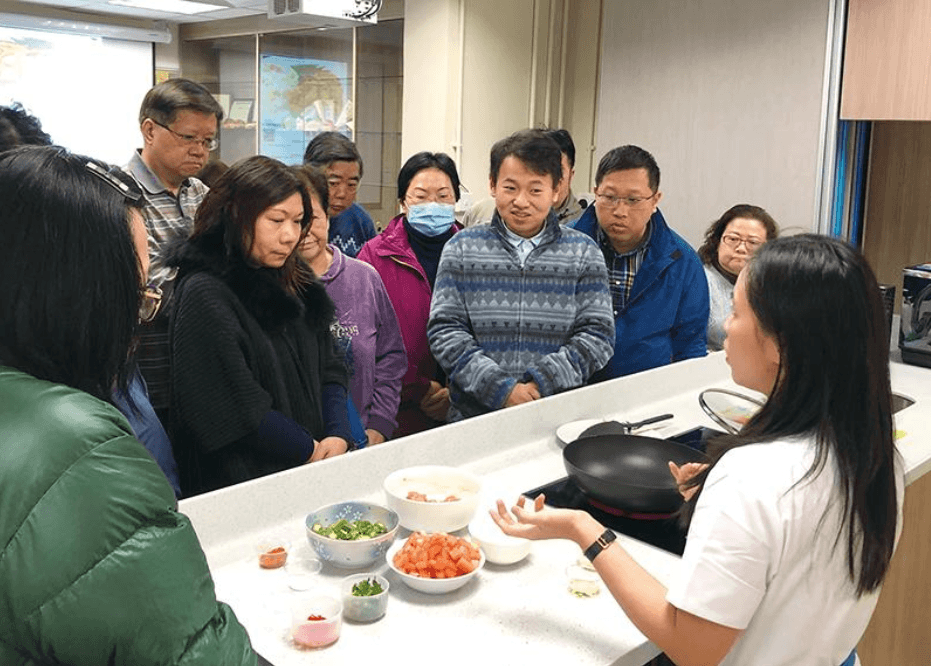
Community programs can further strengthen these efforts. Workshops, cooking demonstrations, and nutrition education events provide valuable opportunities for individuals to expand their knowledge and gain confidence in making healthier choices.
For many consumers, exploring the edible parts of a lobster serves as an example of how food education can improve confidence and understanding. Learning more about ingredients helps individuals make informed decisions while appreciating the nutritional and culinary value of diverse foods.
See also: How Advanced Nursing Degrees are Shaping US Healthcare in 2026
Creating a Foundation for Lifelong Wellness
Healthy living is not defined by perfection. Instead, it is built through consistent choices that support physical and mental well-being over time. Small improvements made regularly often produce more meaningful results than drastic changes that are difficult to maintain.
Education remains one of the most effective tools for creating lasting habits. The more individuals understand nutrition, food preparation, and ingredient selection, the more capable they become of making informed decisions that align with their goals.
Curiosity is equally important. Remaining open to learning about new foods and preparation methods encourages dietary variety and fosters a positive relationship with eating. This mindset supports both enjoyment and wellness.
Ultimately, better health begins with awareness. By developing a deeper understanding of nutrition and making thoughtful food choices, individuals can create balanced eating patterns that support long-term well-being. Knowledge empowers consumers to approach meals with confidence, enjoy a wider range of nutritious foods, and build sustainable habits that contribute to healthier lives for years to come while supporting vitality, resilience, and overall quality of life.