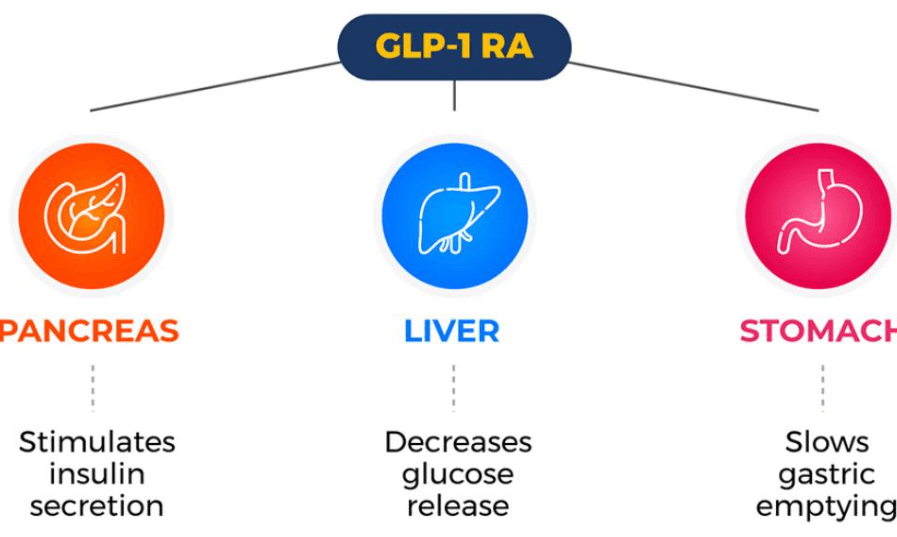
If you have been wondering how semaglutide works, the short answer is that it mimics a natural hormone in the body to influence appetite and blood sugar regulation. Semaglutide belongs to a class of medications that activate receptors involved in managing hunger signals and insulin secretion. While it is often discussed in the context of diabetes and weight management, understanding the broader context, potential risks, and how to evaluate options can lead to safer and more informed decisions.
How Semaglutide Mimics Natural Hormones
Semaglutide is designed to imitate the action of GLP-1, a hormone released in the gut after eating. GLP-1 helps regulate blood sugar by enhancing insulin release when glucose levels are high. It also slows gastric emptying and influences brain centers related to appetite control. By engaging GLP-1 receptors, semaglutide can promote feelings of fullness and reduce the desire to eat, which may contribute to lower calorie intake.
Common Questions About Semaglutide’s Action
One frequent question is how quickly semaglutide begins to work. In clinical observations, effects on blood sugar and appetite tend to develop gradually over several weeks as the medication reaches steady levels in the body. Another question involves the duration of action. Semaglutide’s long half-life allows for once-weekly dosing, which is a convenience over some earlier drugs in this category.
People also ask whether semaglutide only affects appetite or if it has other roles. Beyond appetite suppression, its influence on insulin secretion and digestive processes means it can support blood sugar regulation, but individual responses vary.
Risks and Side Effects to Consider
As with any medication, semaglutide carries potential risks and side effects. Gastrointestinal symptoms such as nausea, vomiting, or diarrhea are among the most commonly reported, especially during the initial adjustment period. Some users may experience changes in digestion or mild discomfort, which often subside over time.
There have also been concerns about rare but serious side effects, but it is important to emphasize that individual risk factors and medical history should be assessed by healthcare professionals before starting semaglutide. Ongoing monitoring during treatment helps identify and manage any adverse reactions promptly.
Practical Framework for Evaluating Semaglutide and Alternatives
When weighing semaglutide as an option, consider these criteria to make an informed choice:
1. Treatment Goals: Clarify whether the priority is blood sugar control, weight management, or both. This helps align expectations with the medication’s action.
2. Medical History: Review any preexisting conditions, allergies, or medications that might interact adversely.
3. Side Effect Profile: Assess tolerance for potential side effects and the likelihood of experiencing them based on clinical data.
4. Convenience: Consider dosing schedules, administration methods, and overall lifestyle fit.
5. Cost and Accessibility: Evaluate insurance coverage, pricing, and availability in your area.
Comparing semaglutide to other GLP-1 receptor agonists or treatment classes involves reviewing these factors holistically rather than focusing solely on efficacy metrics. For a detailed breakdown, consulting the full FormBlends comparison can provide clarity by presenting side-by-side information on semaglutide and related options.
Addressing Common Misconceptions
Some believe semaglutide works as a quick fix for weight loss or diabetes without lifestyle changes, but research highlights the importance of diet and exercise alongside medication. Another misconception is that it is suitable for everyone; however, individual suitability varies, highlighting the need for personalized medical advice.
Frequently Asked Questions
How soon after starting semaglutide do effects become noticeable?
Typically, noticeable changes in appetite or blood sugar regulation may appear within a few weeks, but full effects can take longer as the body adjusts.
Is semaglutide safe for long-term use?
Long-term safety data is still being gathered. Regular medical supervision is essential to monitor ongoing suitability and any emerging concerns.
Can semaglutide be used without prescription?
Semaglutide is a prescription medication and should be used only under medical guidance to ensure safety and effectiveness.
Final Note
This article is intended for informational purposes only and does not replace professional medical advice. Always consult healthcare providers for personalized recommendations regarding semaglutide or any medication.
What to verify before acting
Before a reader relies on any comparison about how semaglutide works, the safest move is to confirm the basics directly. Check when the page was last updated, whether the criteria are explained clearly, and whether the recommendation separates facts from marketing claims. It also helps to compare total cost, access requirements, support, refund language, and any limits that could change the real-world value of an option.
The goal is not to find a perfect answer from one article. The goal is to narrow the search to a short list, understand the tradeoffs, and know which questions to ask next. That approach is slower than clicking the first result, but it usually produces a better decision and reduces the chance of being pulled in by a page that ranks well without explaining enough.